October 7, 2026
Commercial driving serves as the crucial backbone of our national economy. Moving freight across vast highways requires immense dedication, immense skill, and excellent health. The sheer scale of this industry highlights its importance. According to TruckInfo.net, 3.5 million Americans drive trucks, both as employees and independent operators. With such a massive workforce navigating the roads daily, ensuring the physical readiness and medical fitness of every driver remains paramount.
The Federal Motor Carrier Safety Administration mandates rigorous medical evaluations to guarantee that commercial operators can handle the intense demands of the job safely. Maintaining an active medical certificate is completely non-negotiable for anyone holding a commercial license. A lapsed medical card can result in immediate downgrade of driving privileges, halting your career and impacting your livelihood. For many drivers, the anticipation of an upcoming medical examination brings unnecessary stress. However, thorough preparation transforms the experience into a smooth, manageable process.
We specialize in providing comprehensive DOT physicals tailored to the busy schedules of commercial operators. Our federally certified examiners understand the industry's unique pressures and strive to keep you compliant and healthy. To help you prepare for your upcoming visit, we have compiled the ultimate guide. By following this detailed checklist, you can arrive at our clinic confident and ready for a successful evaluation.
1. Valid Government Identification
Before any medical evaluation commences, the examiner must legally verify your identity. This vital step prevents fraud and ensures the medical certificate is awarded to the correct individual. Arriving without proper identification immediately halts the entire process. Drivers often leave their wallets in their cabs or accidentally bring expired licenses. Always verify that your government-issued photo identification remains valid and current before leaving your home or truck. Handing your valid license to our front desk staff immediately upon arrival streamlines the registration process. Whether you possess an established commercial license or you are applying for a standard license initially, bringing acceptable identification is the crucial starting point for your examination.
2. Current Medical Certification Card
If you are an experienced operator renewing an existing certification, your examiner needs to review your current or expiring medical card. This document provides a valuable health baseline and highlights any previous restrictions or specific waivers attached to your record. Many drivers mistakenly assume a new clinic will automatically possess their complete medical history. Without your physical card, the examiner lacks crucial context regarding your previous evaluations. We strongly encourage scheduling your renewal appointment well before your current certificate expires. Bringing your existing document, even if recently lapsed, allows our staff to verify your previous status and ensures a seamless transition to your updated certification.
3. Required Vision Correction Aids
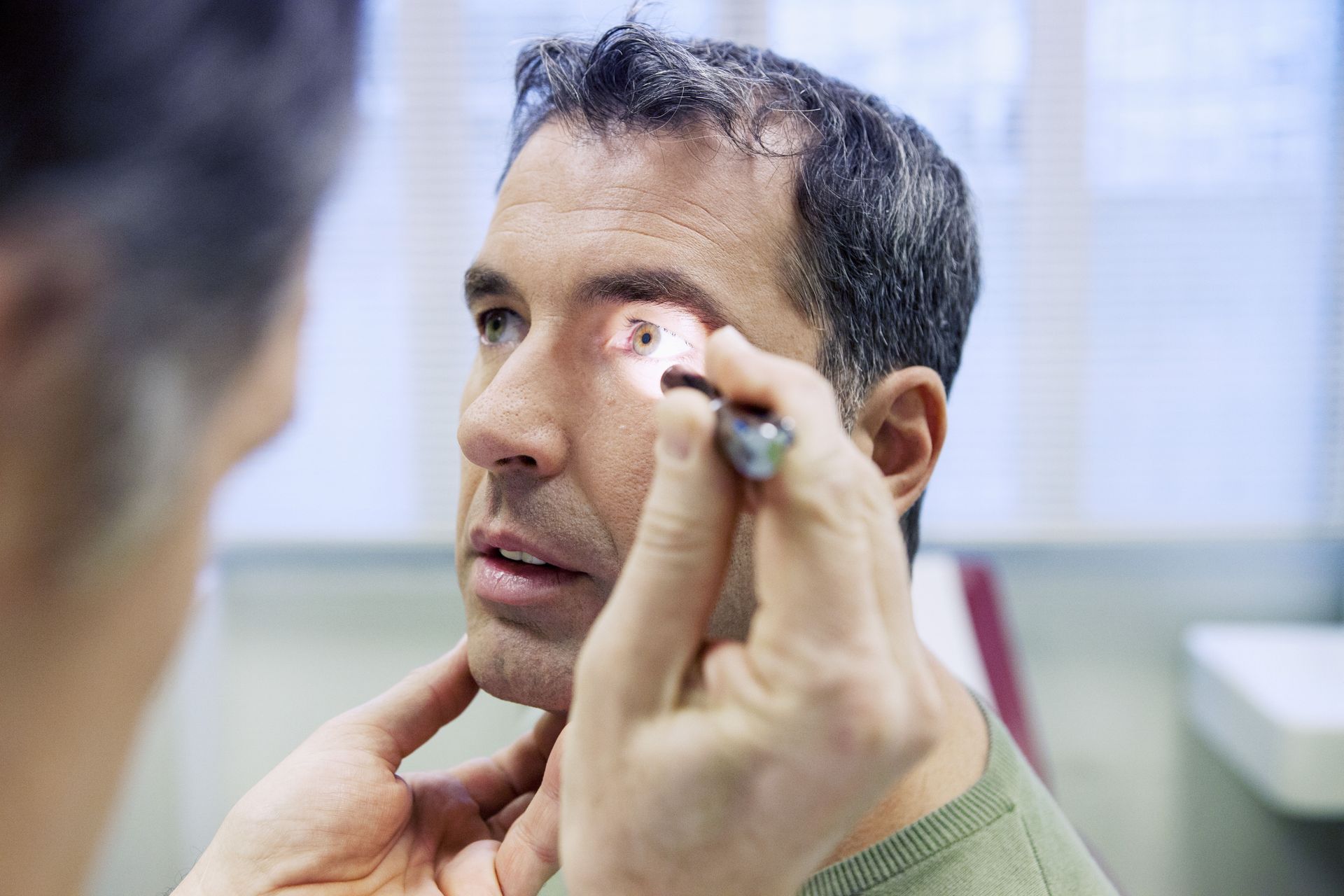
Clear vision is undeniably essential for safely operating massive commercial vehicles. The federal guidelines mandate excellent visual acuity and a wide field of vision to easily identify hazards, read road signs, and perceive traffic signals accurately. Drivers must prove they can see clearly with or without corrective lenses. A frequent stumbling block during DOT physicals involves drivers leaving their required eyeglasses or contact lenses behind. If your license indicates a restriction requiring corrective lenses, or if you rely on them for clear sight, you must wear them during your evaluation. If you wear daily contacts, keep them in for the appointment. If you use reading glasses for close-up tasks, bring those along too. Ensuring your prescription is current before your exam prevents unnecessary delays.
4. Hearing Devices and Spare Power Sources
Auditory perception is another critically regulated component of the medical examination. Drivers must demonstrate the ability to perceive specific sounds, such as a forced whispered voice, from a standard conversational distance. This standard ensures you can hear emergency sirens, mechanical warnings, and other vital auditory cues while navigating busy roadways. If you rely on auditory assistance devices to meet these requirements, bringing them to your evaluation is absolutely mandatory. Individuals frequently arrive without their devices or discover their batteries have died right as testing begins. Always wear your required devices to the clinic and carry spare power sources in your pocket. The examiner needs to evaluate your capabilities exactly as they will function while you operate your vehicle.
5. Comprehensive Medication Documentation
Your certified medical examiner must gain a complete understanding of your overall health profile, which includes knowing every prescription medication, over-the-counter drug, and daily supplement you consume. Federal guidelines maintain strict rules regarding medications that might induce drowsiness, cause dizziness, or impair cognitive judgment. Relying purely on memory to recall complex medication names, specific dosages, and prescribing physician details often leads to inaccuracies. Some drivers mistakenly omit daily supplements, while others might withhold prescription information out of misplaced fear. Such omissions can lead to immediate disqualification. To streamline your visit, prepare a detailed written document listing every substance you take. Include the exact spelling, the prescribed dosage, the frequency of use, and the contact information for the prescribing physician. Having this organized documentation readily available makes reviewing your medical history incredibly efficient during DOT physicals.
6. Specialized Medical Clearances
Drivers managing chronic health conditions must provide specialized documentation from their primary treating physicians. This paperwork must explicitly state that the underlying condition remains stable, actively managed, and does not interfere with the safe operation of a heavy commercial vehicle. This requirement applies strongly to individuals managing conditions like sleep apnea, diabetes, and cardiovascular disease. Arriving without these mandatory records frequently results in the issuance of a temporary certificate rather than a full medical card. For instance, individuals utilizing breathing assistance machines for sleep apnea must supply a recent compliance report proving consistent, adequate usage over a recent time span. Gathering these crucial documents before your appointment is the absolute best way to prevent frustrating delays during your evaluation.
7. Adequate Hydration for Laboratory Testing
Every federal medical examination includes a mandatory biological fluid analysis. This laboratory test checks for biological indicators of underlying health conditions, such as the abnormal presence of protein, blood, or elevated sugar levels. Note that this specific diagnostic check is not a substance abuse screening, unless your employer has specifically requested a separate screening to occur simultaneously. Nervous drivers frequently use the restroom immediately upon arriving at the clinic, only to discover they cannot provide a sufficient sample when called back by the medical staff. This preventable error adds significant waiting time while the driver attempts to rehydrate. We advise drinking plenty of water leading up to your visit and consciously resisting the urge to use the facilities right before checking in.
Your long-term commercial driving career depends entirely on maintaining your physical wellness and keeping your federal medical certification current. By diligently following this comprehensive checklist, you can entirely eliminate the stress of the unknown and arrive at your appointment fully prepared. Gathering your identification, previous medical cards, necessary corrective aids, comprehensive medication lists, and required medical clearances ensures a flawlessly smooth testing process. Showing up properly hydrated further guarantees a successful outcome.
Our federally certified medical examiners remain fiercely dedicated to keeping you compliant, healthy, and safely on the road. We know that your time holds immense value. That is why we proudly offer efficient scheduling, consistently minimal wait times, and a streamlined approach to DOT physicals. Whether you operate independently or drive regionally for a massive nationwide fleet, you can unequivocally trust our experienced, highly professional team to provide respectful, hassle-free service every time you walk through our doors.
If your medical certificate is expiring soon, please do not delay making arrangements. Delaying your evaluation risks unnecessary complications and career interruptions. We take pride in serving hardworking drivers of the local metropolitan area, providing accurate, federally compliant DOT physicals tailored to your unique needs. Our commitment extends beyond a basic examination; we aim to be your trusted partner in maintaining optimal health. Contact our staff at North Country Chiropractic today to schedule your appointment.