July 10, 2026
In this article, we will explore the most common reasons why drivers may not pass their Department of Transportation (DOT) physicals. Passing the DOT physical is essential for commercial drivers to ensure they meet the physical requirements necessary to operate a commercial motor vehicle safely. Understanding these common issues can help drivers prepare for their evaluation and increase their chances of passing. A DOT physical assesses various health parameters, including vision, hearing, cardiovascular health, and more. Recognizing and addressing possible physical limitations beforehand can make a significant difference in a driver’s career sustainability.
1. Vision Problems
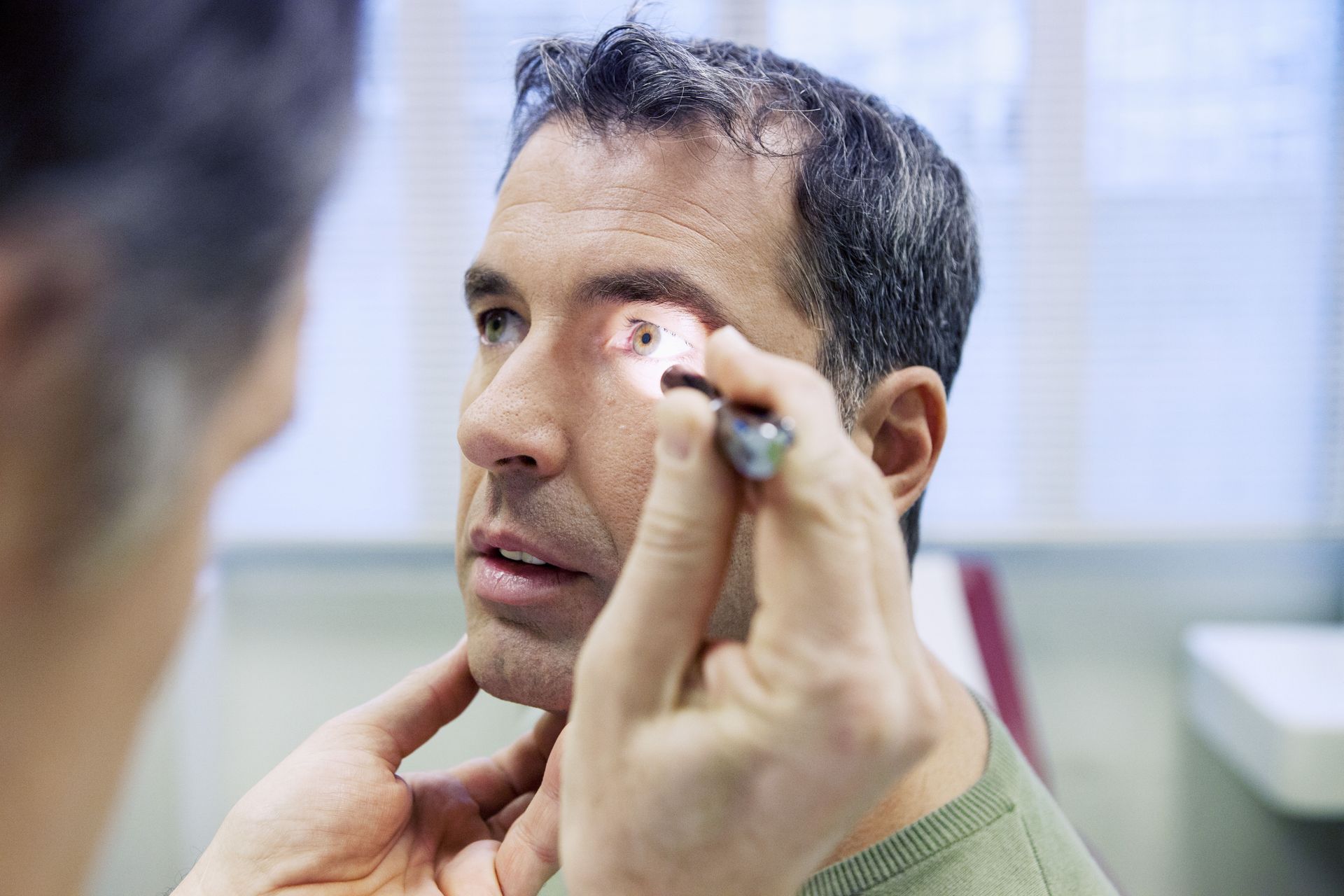
Vision is critical when it comes to safe driving, and the DOT physical requires drivers to have a certain level of visual acuity. The requirements include having at least 20/40 acuity in each eye with or without correction, a minimum field of vision of 70 degrees in the horizontal meridian, and the ability to recognize the colors of traffic signals. This ensures drivers have sufficient visual capabilities for identifying on-road scenarios effectively. Drivers who do not meet these standards often need corrective lenses. It is crucial to carry a corrected prescription to the DOT physical and use corrective lenses while driving.
Common vision tests included in a DOT physical are performed to assess visual clarity and peripheral vision. An optometrist or examining physician may use visual acuity charts, visual field tests, and color blindness assessments to certify a driver's visual functionality. If a driver uses corrective lenses, they must wear them during the test. Regular eye check-ups can help in identifying issues early and maintaining compliance. Failing to pass the visual requirements due to uncorrected vision can result in a failed DOT physical.
Managing eye conditions such as astigmatism or other refractive errors is vital for passing DOT physicals. Consistent monitoring and updates to corrective lens prescriptions can prevent failures during vision testing. Resources and guidelines are available to help drivers maintain optimal ocular health. Simple actions such as blinking frequently, using adequate lighting while reading, and taking eye breaks during long hauls can maintain eye health. According to WebMD, passing a Department of Transportation physical results in a Medical Examiner’s Certificate, or DOT medical card, which allows commercial driving for 2 years unless a condition requires more frequent evaluations.
2. Hearing Impairments
Hearing is another critical aspect evaluated during a DOT physical. Drivers must demonstrate the ability to perceive a forced whisper at a distance of 5 feet, with or without the use of a hearing aid. This specific hearing requirement ensures drivers can hear necessary warnings and cues on the road. Such auditory capacity is essential for maintaining safety and awareness in high-traffic areas. For many drivers, using a hearing aid may be necessary to meet these medical guidelines.
During a DOT physical, standard procedures involve conducting hearing assessments to confirm that drivers meet the necessary thresholds. Audiologists typically perform audiometer evaluations or whisper tests. If failed, recalibrating a hearing device or undergoing further auditory evaluations may be required. Drivers are encouraged to evaluate their auditory health well ahead of their scheduled physical. Regular checkups help identify impairments that could impede the passing of the DOT requirements.
Common hearing problems include difficulties discerning speech amidst background noise or ear infections. If diagnosed with such issues, drivers should consult with specialists for proper care and potential solutions, such as specialized hearing aids. Ensuring the maintenance of auditory aids, including clean and functioning devices, is crucial. Studies suggest that high levels of noise exposure on the job can impact auditory health, emphasizing the need for protective measures. Maintaining auditory health is an ongoing process that requires attention and professional guidance.
3. Cardiovascular Issues
Cardiovascular health greatly impacts a driver’s ability to safely operate a commercial vehicle. The physical demands of driving, combined with periods of inactivity, can elevate the risk for cardiovascular disease. Candidates must undergo evaluations for blood pressure and potential heart irregularities during DOT physicals. Drivers with diagnosed heart conditions face additional scrutiny and must demonstrate sufficient management of their condition. Uncontrolled cardiovascular issues could hinder the ability to respond promptly in critical driving situations.
Recognizing symptoms of heart problems, such as chest pain or shortness of breath, is crucial for timely medical intervention. Early identification through regular checkups can improve outcomes and increase the likelihood of passing a DOT physical. Physicians often recommend lifestyle modifications or prescribe medications for management. Drivers must adhere to prescribed care plans to ensure both safety and physical fitness compliance. Addressing cardiovascular symptoms before they escalate is critical in maintaining an active commercial driving license.
Managing blood pressure is central to passing DOT physicals. Hypertension is a common issue that requires consistent monitoring and management. Proper diet, regular exercise, and medication adherence help maintain ideal blood pressure levels. Failure to control hypertension may prevent drivers from obtaining a DOT medical card. With WebMD highlighting that a DOT physical facilitates a two-year Medical Examiner’s Certificate, drivers must proactively sustain cardiovascular health to avoid frequent reevaluations.
4. Hypertension
Hypertension, or high blood pressure, presents significant health implications for professional drivers. It increases the risk of strokes, heart attacks, and other cardiovascular-related incidents. Therefore, DOT regulations strictly monitor drivers' blood pressure levels to ensure safety. The blood pressure threshold for passing is typically less than or equal to 140/90 mmHg. Consistently exceeding these levels can prevent drivers from obtaining or renewing their DOT medical certificate.
Criteria for passing a DOT physical includes a comprehensive understanding of blood pressure management and maintaining readings within acceptable limits. Monitoring blood pressure should become a regular habit for drivers. Blood pressure screenings form part of the mandatory measures during the physical examination. Any detected hypertension must be immediately addressed with medical advice and possible medication. Adopting healthier lifestyle practices is crucial for keeping within the DOT's set parameters.
Treatment options for hypertension include lifestyle adjustments such as reducing dietary salt, increasing physical activity, and managing stress. In certain cases, antihypertensive medications are prescribed to maintain regular readings. Drivers often find support through dietary counseling and scheduled exercise programs. Consistent monitoring and proper medication can keep blood pressure within DOT standards, facilitating uninterrupted commercial driving privileges. Sustainable practice adoption influences long-term blood pressure control and overall driver wellbeing.
5. Diabetes Mellitus
Diabetes Mellitus poses potential challenges for drivers due to its management requirements and possible complications. Drivers with diabetes must effectively manage their condition to prevent hypoglycemic episodes — which can impair cognitive function and reaction time, thus affecting driving capabilities. DOT guidelines require specific blood sugar and dietary management to minimize vehicular risk. Failure to comply and control diabetic conditions can lead to DOT physical disqualification. It is imperative for drivers to work closely with healthcare providers to manage diabetes effectively.
Ensuring good health and meeting the DOT physical requirements is critical for commercial drivers. By addressing common issues such as vision and hearing impairments, cardiovascular problems, hypertension, diabetes mellitus, and sleep disorders, drivers can better prepare for their DOT physicals. Proactive health management and understanding the standards can not only help in passing the physicals but also promote long-term well-being on the road. Recognizing early signs, sticking to treatment plans, and leading a healthy lifestyle play crucial roles in maintaining certification. Passing the DOT physical offers drivers a prized Medical Examiner’s Certificate, allowing them to drive commercially for two years, per WebMD, unless conditions necessitate more frequent evaluations. Be sure to reach out to North Country Chiropractic today to learn more about our professional local DOT physicals!