September 10, 2026
Commercial drivers carry the critical responsibility of operating heavy vehicles safely while navigating demanding schedules across regional and national transit corridors. Staying compliant with Department of Transportation safety standards requires continuous attention to cardiovascular health, proper lifestyle habits, and preventative medical care. From managing resting blood pressure to understanding federal recertification guidelines, taking a proactive approach to personal wellness protects long-term career stability.
Defining Cardiovascular Force
Comprehending blood pressure mechanics is fundamental for commercial drivers monitoring their personal cardiovascular health. Systolic pressure measures the force exerted on arterial walls during active heartbeats, while diastolic pressure measures the residual pressure between cardiac rests. Having a basic grasp of these blood pressure readings empowers operators to make informed daily health decisions. Monitoring cardiovascular force regularly helps ensure drivers maintain the physical stamina needed to pass an upcoming CDL physical.
Identifying Healthy Ranges
Categorizing healthy blood pressure around the standard 120/80 mmHg benchmark provides a clear baseline for long-term health tracking. Values consistently exceeding these standard metrics alert drivers to potential risks like hypertension, which can impact arterial elasticity over time. Tracking resting numbers regularly allows for timely diet and exercise modifications before medical deadlines arrive. Maintaining optimal blood pressure ranges ensures commercial operators satisfy necessary federal health qualifications consistently.
Evaluating Career Requirements
Navigating federal safety guidelines makes blood pressure control a direct career imperative for commercial motor vehicle operators. Uncontrolled hypertension can lead to conditional certifications, shortened card durations, or sudden medical disqualification. According to GEOTAB, driver wages climbed 15.5% over the past year, highlighting the financial importance of maintaining active driving credentials. Managing cardiovascular metrics proactively protects both personal health and long-term earning potential.
Measuring Arterial Strain
Understanding how blood pressure cuffs measure arterial resistance simplifies home health tracking for commercial operators. Inflatable arm cuffs temporarily restrict blood flow, reading peak systolic force and resting diastolic resistance as pressure releases. Utilizing reliable digital arm monitors inside truck cabs allows drivers to log accurate readings during rest breaks. Consistent tracking provides clear cardiovascular data prior to scheduling a formal CDL physical.
Reducing Daily Sodium
Lowering daily sodium intake serves as one of the most immediate, effective ways to decrease elevated blood pressure. Excess dietary salt causes fluid retention, increasing overall blood volume and forcing the heart to work harder. Choosing fresh whole foods over processed truck stop snacks helps drivers eliminate hidden sodium intake efficiently. Reducing daily salt consumption preserves vascular health while helping drivers satisfy official certification guidelines.
Following DASH Guidelines
Following the Dietary Approaches to Stop Hypertension (DASH) diet provides a structured framework for managing blood pressure naturally. This research-backed eating plan emphasizes whole grains, lean proteins, fresh fruits, and vegetables while restricting saturated fats and sugars. Adopting DASH principles can yield measurable blood pressure reductions within a few weeks of consistent implementation. Structured nutrition supports overall metabolic health, helping drivers prepare for a successful CDL physical.
Hydrating on Long Hauls
Maintaining proper hydration helps the kidneys flush out excess sodium while supporting smooth circulatory function throughout the body. When dehydration occurs, the body retains fluid and constricts blood vessels, driving resting blood pressure upward. Carrying a large, refillable water bottle inside the cab encourages consistent fluid intake during extended highway shifts. Adequate hydration keeps cardiovascular systems running efficiently while supporting daily energy levels.
Engaging in Cardio
Engaging in regular cardiovascular exercise strengthens heart muscles, enabling them to pump blood with significantly less physical effort. Activities like brisk walking, cycling, or jogging for 150 minutes weekly improve vascular flexibility and lower resting heart rates. Taking short, brisk walks around rest stops provides quick cardio bursts during long driving shifts. Consistent aerobic activity helps drivers manage hypertension risks and maintain long-term physical fitness.
Reducing Physical Stress
Practicing flexibility routines and stress-reduction techniques like yoga or deep breathing lowers circulating stress hormones. High job stress from tight delivery windows can constrict blood vessels, temporarily elevating daily blood pressure numbers. Taking ten minutes to stretch and relax during mandatory rest breaks calms the central nervous system effectively. Lowering daily stress protects vascular health and supports optimal performance during a CDL physical.
Tracking Wellness Data
Utilizing wearable fitness trackers or mobile health applications delivers real-time feedback on daily step counts and heart rates. Keeping a dedicated health log of daily workouts, meals, and blood pressure readings highlights positive health trends over time. Monitoring personal wellness data fosters accountability and empowers drivers to adjust lifestyle habits proactively. Consistent tracking removes guesswork when preparing for an official CDL physical.
Practicing Mindful Breathing
Incorporating short mindfulness and deep breathing sessions during rest breaks lowers circulating stress hormones rapidly. Diaphragmatic breathing exercises activate the body's parasympathetic nervous system, slowing heart rates and relaxing arterial walls naturally. Inhaling deeply for four seconds and exhaling slowly through the mouth provides immediate calmness during tense driving situations. Daily breathing practices help maintain stable resting blood pressure throughout demanding routes.
Managing Travel Time
Utilizing digital planners, route mapping applications, and structured schedules minimizes driving anxiety and prevents rush-induced stress. Allowing extra time for unexpected traffic delays or bad weather prevents panicked driving and sudden blood pressure spikes. Organizing travel days efficiently ensures drivers can take mandatory health breaks without falling behind on delivery commitments. Smart time management lowers daily stress while preserving physical well-being.
Exploring Prescribed Medications
Consulting with healthcare providers ensures drivers explore safe, approved medications when lifestyle modifications alone cannot control hypertension. Prescribed treatments like ACE inhibitors or diuretics manage blood pressure effectively without causing driver impairment. Following medical advice and taking prescribed dosages consistently maintains blood pressure within safe federal thresholds. Partnering with a doctor guarantees medication management aligns with passing a CDL physical.
Managing Weight Long-Term
Achieving and maintaining a healthy body weight reduces physical strain on the heart and decreases systemic arterial pressure. Combining balanced, portion-controlled meals with regular exercise creates the caloric deficit necessary for sustainable weight loss. Shedding excess body weight lowers hypertension risks while improving overall energy levels and sleep quality behind the wheel. Maintaining a healthy weight helps drivers pass routine medical evaluations with ease.
Quitting Tobacco Use
Quitting smoking and moderating alcohol intake eliminate chemical compounds that damage blood vessel linings and elevate blood pressure. Nicotine constricts blood vessels instantly, forcing the heart to pump harder against increased arterial resistance. Tobacco cessation improves lung capacity, vascular elasticity, and overall cardiovascular endurance within weeks of quitting. Eliminating smoking supports long-term heart health and elevates general job performance.
Prioritizing Quality Sleep
Obtaining seven to nine hours of restorative sleep nightly allows the cardiovascular system to rest and recover naturally. Poor sleep hygiene and unaddressed sleep apnea trigger elevated stress hormones that sustain high blood pressure over time. Creating a dark, quiet cabin environment and turning off electronic screens before bed promotes deeper, uninterrupted rest. Prioritizing quality sleep regulates blood pressure naturally and keeps drivers sharp on the road.
Maintaining healthy blood pressure levels is essential for passing your
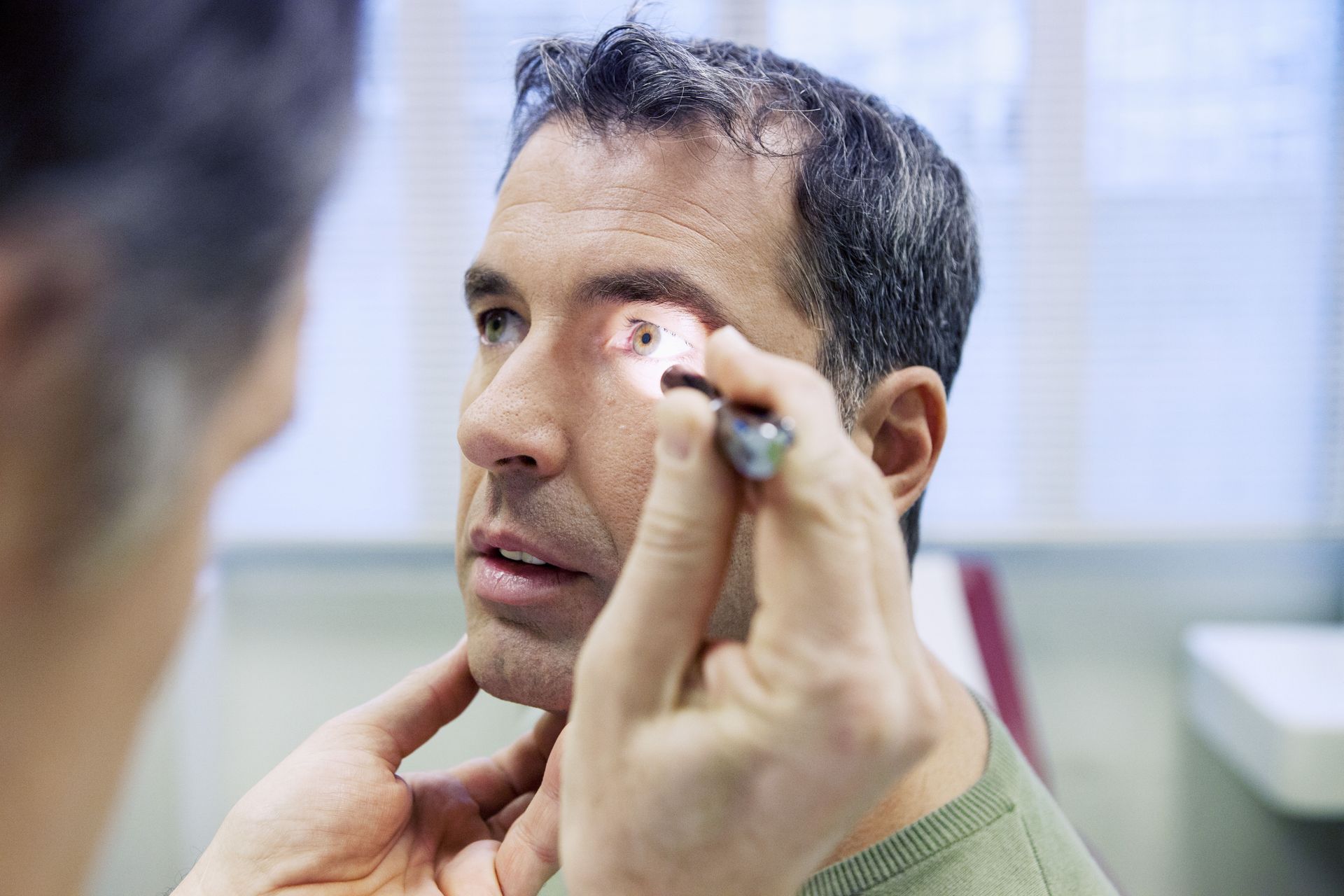
CDL physical safely. By adopting these hacks, including dietary changes, exercise, stress management, and consulting with healthcare professionals, you can take control of your blood pressure and secure both your health and your driving career. Commitment to these practices not only improves your chances of passing necessary medical exams but enhances your overall quality of life. Implementing these strategies empowers you towards better well-being and a successful career in commercial driving. To protect your career and schedule your next official exam, contact North Country Chiropractic.