July 22, 2026
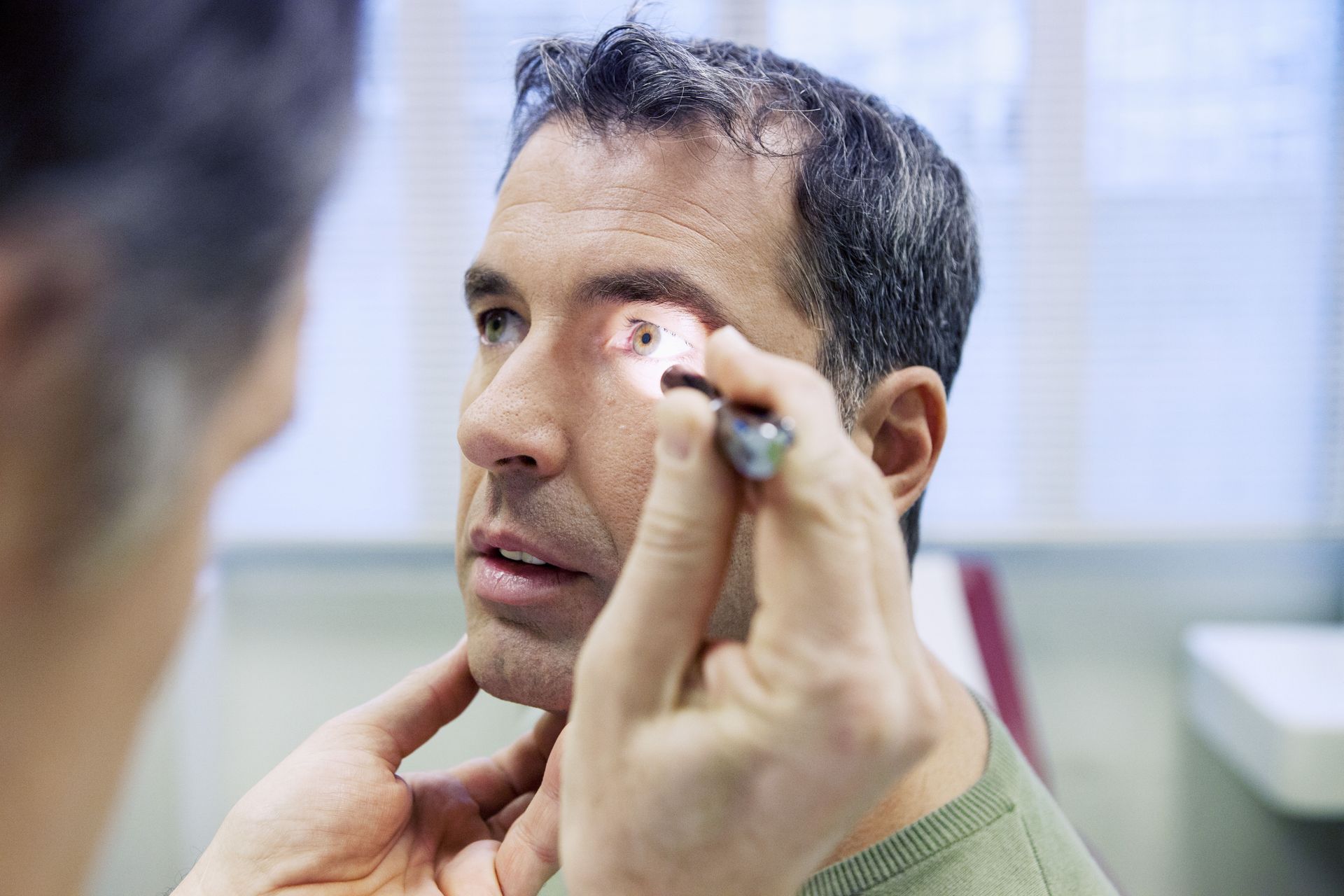
Commercial driving is a demanding profession that keeps our national economy moving forward every single day. As a commercial motor vehicle (CMV) driver, your livelihood depends heavily on your physical health. To ensure the safety of everyone on the highway, the Department of Transportation (DOT) requires regular medical examinations for all active commercial operators. If you are preparing for your upcoming exam, you might understandably be feeling a bit of anxiety. Failing means you cannot legally get behind the wheel, halting your income immediately.
We specialize in comprehensive DOT physicals and want to see you succeed. Many drivers make simple, avoidable errors that end up costing them their medical certification. By understanding the most common pitfalls ahead of time, you can walk into our clinic with total confidence. Here are seven common mistakes that will fail your next exam and exactly how to avoid them before walking through our doors.
Mistake 1: Ignoring Unmanaged Blood Pressure
High blood pressure, or hypertension, is one of the leading reasons drivers fail their examinations or receive shortened certification periods. The Federal Motor Carrier Safety Administration (FMCSA) has strict guidelines regarding blood pressure limits. High readings can trigger an automatic failure or force the medical examiner to issue a temporary, short-term card while you get the cardiovascular issue under control.
How to Avoid It: Do not ignore your cardiovascular health until the day of your appointment. If you have been prescribed blood pressure medication by your primary care doctor, take it exactly as directed. On the day of your exam, avoid consuming large amounts of caffeine, highly caffeinated energy drinks, and tobacco products, as these can temporarily spike your blood pressure. Arrive early to your appointment so you have time to sit down, relax, and lower your resting heart rate before the blood pressure cuff even goes on your arm.
Mistake 2: Forgetting Visual and Hearing Aids
The ability to see and hear clearly is completely non-negotiable for operating a heavy commercial vehicle safely. The exam requires a strict vision test, ensuring you have appropriate visual acuity and field of vision. Drivers frequently fail this portion simply because they left their prescription glasses or contact lenses sitting at home on the counter.
How to Avoid It: This is an incredibly easy fix. If you require glasses or contacts for driving, you must bring them to all DOT physicals. If you use hearing aids, bring them along with a set of spare batteries. The examiner must test you using the exact devices you rely on while driving your rig. Double-check your pockets and your vehicle's cab before walking into the examination room to avoid an unnecessary delay or a failed test.
Mistake 3: Arriving Dehydrated or with Spiked Blood Sugar
A standard and mandatory part of the examination involves a urinalysis. This is not a drug test, but rather a screening for underlying medical conditions that could affect your driving. The examiner looks for indicators like protein, blood, and sugar (glucose) in your urine. High glucose levels can be a strong indicator of kidney disease or uncontrolled diabetes, both of which are major red flags for the FMCSA and require immediate attention.
How to Avoid It: Drink plenty of water leading up to your appointment to provide a proper, clear sample and avoid skewed results resulting from dehydration. Additionally, avoid eating a massive, sugar-heavy meal or drinking large quantities of soda right before your exam, which can temporarily spike your glucose levels. Diabetics should proactively bring their most recent results to prove their condition is effectively managed under a doctor's care.
Mistake 4: Hiding Your Medical History or Medications
Some drivers mistakenly believe that withholding health information speeds up the process or prevents them from failing. This is a massive mistake. Omitting details about past surgeries, recent medical diagnoses, or prescription medications risks not only failing the exam but also facing severe legal consequences for falsifying federal documents. Medical examiners performing DOT physicals are highly trained to look for clinical signs of undisclosed conditions.
How to Avoid It: Honesty is always the best policy. Bring a complete and updated list of all medications you are currently taking, including the dosages and the names of the prescribing doctors. If you have a specific health condition, bring a medical clearance letter from your treating specialist stating that you are stable and safe to operate a commercial vehicle. Transparency ultimately speeds up the process and prevents any delays in receiving your highly anticipated medical certificate.
Mistake 5: Failing to Provide CPAP Compliance Data
Obstructive sleep apnea is a major DOT focus because excessive daytime sleepiness causes catastrophic highway accidents. If you have been diagnosed with sleep apnea and prescribed a Continuous Positive Airway Pressure (CPAP) machine, simply telling the medical examiner that you use it at home is not enough. The FMCSA strictly requires verifiable proof of compliance to pass DOT physicals.
How to Avoid It: You must bring your printed or digital CPAP compliance report to your appointment. Download the report directly from your machine or contact your sleep specialist or pulmonologist to print a copy for you. Without this crucial data, examiners cannot legally clear you to drive.
Mistake 6: Skipping Cardiovascular Follow-Ups
If you have a documented history of heart issues—such as a previous heart attack, bypass surgery, vascular stents, or a pacemaker—your examiner requires specific, updated documentation proving your heart is strong enough for the rigorous demands of commercial driving. Showing up without your recent cardiovascular test results guarantees an incomplete exam or a flat-out failure.
How to Avoid It: Proactive communication with your cardiologist is key. You will typically need to bring recent stress test results, a recent echocardiogram, or a clearance letter detailing your current heart health and ejection fraction. Schedule your specialist appointments well in advance of your medical card's expiration date so you have all the necessary paperwork ready to hand over without delaying your certification process.
Mistake 7: Showing Up Stressed and Rushed
"White coat syndrome" is a very real medical phenomenon. The inherent stress of the examination itself can easily cause your blood pressure and heart rates to spike, leading to a failed test even if you are otherwise perfectly healthy. Rushing into the clinic at the last minute, stressed about traffic or finding a parking spot, only compounds this issue further. Routine DOT physicals should not induce panic, as they are simply a standard part of maintaining your professional driving credentials.
How to Avoid It: Treat the day of your physical like an important professional obligation requiring calm preparation. Schedule your appointment on a day when you are well-rested, preferably not immediately after a grueling long-haul shift. Arrive at our office at least 15 to 20 minutes early. Sit in the waiting area, practice deep breathing exercises, and allow your body to reach a baseline state of physical and mental relaxation.
When you successfully avoid these common mistakes and pass your medical examination, you earn the right to stay on the road and continue making a living. According to WebMD, passing a DOT physical grants you a 2-year medical card, though medical conditions may require more frequent testing. For example, if you have hypertension or diabetes that requires close monitoring, you may receive a one-year or even a three-month card. This isn't a punishment; it ensures your health remains stable while you perform safety-sensitive duties.
We understand that your time off the road is incredibly valuable, which is why our certified medical examiners perform efficient, thorough, and respectful DOT physicals. If you are due for your next required examination, don't leave your livelihood to chance by making avoidable errors. Take proactive control of your health today. Contact North Country Chiropractic to schedule your next appointment, and let our professional team help you secure your medical card so you can keep on trucking safely.