June 9, 2026
The safety of the national infrastructure relies heavily on the physical and mental health of those who operate heavy machinery and commercial vehicles across the country. Because the responsibility of navigating massive loads is so significant, the government mandates a specialized medical evaluation to ensure that every driver is capable of meeting the rigorous demands of the road. This assessment is not merely a formality; it is a critical safeguard designed to protect the public and the drivers themselves from the risks associated with sudden medical emergencies. For professional drivers, maintaining a valid certification is the cornerstone of their livelihood, making it essential to understand the various health conditions that can influence the outcome of these mandatory evaluations.
The process of conducting dot physicals involves a comprehensive review of a person’s medical history and a series of diagnostic tests that measure vital signs, vision, and hearing. A certified medical examiner looks for any underlying issues that could lead to a loss of consciousness, a decrease in reaction time, or a physical inability to control a vehicle. While many drivers successfully pass these exams with ease, certain chronic or acute conditions can complicate the certification process. By being proactive about health management and understanding the specific criteria used during these exams, drivers can better prepare for their appointments and ensure they remain compliant with federal safety standards.
Managing Cardiovascular Health
The heart is the most scrutinized organ during the evaluation process because cardiovascular failure poses the most immediate risk to road safety. Examiners pay close attention to blood pressure readings and heart rhythms to determine if a driver is at risk for a heart attack or stroke while behind the wheel. If a driver has a history of heart disease or has undergone surgical procedures such as bypass surgery or the placement of a stent, they must provide documentation showing that their condition is stable. The goal is to ensure that the physical stress of long-haul driving will not trigger a catastrophic event.
Hypertension is a particularly common concern during dot physicals, as it is often a silent condition that can lead to severe complications if left unaddressed. While a diagnosis of high blood pressure does not automatically disqualify a driver, it may lead to a shorter certification period to allow for closer monitoring. According to WebMD, individuals with conditions such as very high blood pressure may need physical exams every three months while receiving treatment to control or manage the condition. This frequent oversight ensures that the chosen treatment plan is effective and that the driver remains within a safe physiological range for operating heavy equipment.
Regulating Metabolic Stability
Diabetes is another significant factor that medical examiners consider when certifying commercial drivers. The primary concern with metabolic disorders is the risk of hypoglycemia, a state of low blood sugar that can cause confusion, dizziness, or a sudden loss of consciousness. Drivers who manage their condition through diet or non-insulin medications often find the certification process straightforward. However, for those who require insulin to maintain their health, federal regulations have historically been more stringent, often requiring specialized waivers or additional documentation from a treating physician.
During dot physicals, the examiner will perform a urinalysis to check for glucose levels, which can indicate whether the condition is being properly managed. If the results suggest that blood sugar is poorly controlled, the examiner may require the driver to consult with their primary care provider to adjust their medication or lifestyle habits before a certificate is issued. Consistent monitoring of blood sugar levels and maintaining a detailed log of medical history are vital steps for any driver living with a metabolic condition. Stability is the key metric that examiners look for to ensure the driver can safely complete their routes without the threat of a diabetic emergency.
Improving Respiratory Function
The ability to breathe easily and maintain high oxygen levels is essential for staying alert during long periods of driving. Sleep apnea is a respiratory condition that has gained significant attention in the world of professional transportation. This disorder causes a person to stop breathing periodically during sleep, leading to profound daytime fatigue and a decreased ability to concentrate. Because untreated sleep apnea significantly increases the risk of accidents caused by drowsiness, medical examiners often screen for symptoms such as loud snoring, high body mass, or reports of excessive daytime sleepiness.
If a driver is diagnosed with sleep apnea, they can usually maintain their certification by proving that they are consistently using a continuous positive airway pressure machine. During dot physicals, the examiner may request a report from the device to verify that the driver is receiving adequate rest and is not a danger to themselves or others due to fatigue.
Preserving Sensory Acuity
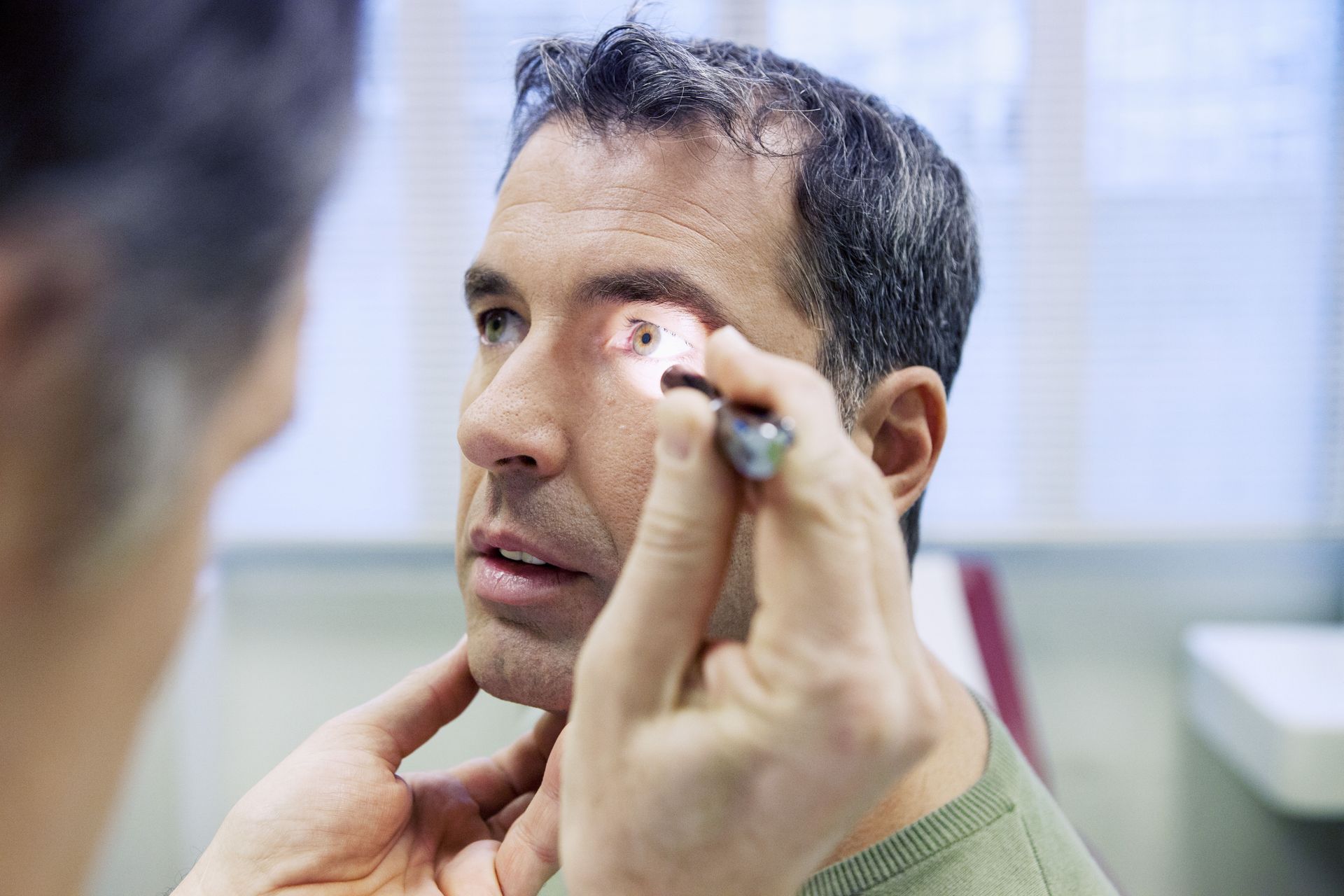
A driver’s vision and hearing are their primary tools for gathering information about the environment around them. Federal standards require that drivers possess a certain level of visual acuity in each eye, as well as a sufficient field of vision to detect hazards in their periphery. Color blindness is also assessed, as the ability to distinguish between red, green, and amber traffic signals is fundamental to safe navigation. If a driver requires corrective lenses to meet these standards, they must wear them at all times while operating a commercial vehicle, and this requirement will be noted on their medical card.
Stabilizing Neurological Responses
Neurological health is a broad category that covers everything from seizure disorders to traumatic brain injuries. Any condition that results in a sudden loss of motor control or a lapse in cognitive function is a major red flag during the certification process. For example, a history of epilepsy typically requires a significant period of being seizure-free without the use of anti-seizure medication before a driver can be considered for a commercial license. The brain must be capable of processing information rapidly and maintaining focus for many hours at a time.
Examiners also look for signs of tremors, equilibrium issues, or coordination problems that could interfere with the mechanical operation of a truck or bus. Conditions such as Parkinson’s disease or multiple sclerosis are evaluated on a case-by-case basis, focusing on the current severity of the symptoms rather than just the diagnosis itself. If a neurological issue is found to be progressive or unstable, the examiner may determine that the risks to public safety are too high for certification. Drivers are encouraged to be transparent about their neurological history so that the examiner can make an informed and fair assessment of their current capabilities.
Maintaining your health is the best way to protect your career and your future. When drivers take the time to address their medical needs before their appointment, they find that the path to certification is much smoother. Regular exercise, a balanced diet, and consistent medical check-ups are the best tools a driver has for ensuring long-term success in the industry. Your health is your most valuable asset, and treating it with the respect it deserves is the key to a long and safe career on the open road.
At North Country Chiropractic, we are dedicated to helping you stay on the road by providing thorough and professional medical evaluations tailored to the needs of the modern driver. Our collective expertise is focused on ensuring that you meet all safety requirements while receiving the support and guidance necessary to manage your health effectively throughout your career.