May 18, 2026
Are you curious about the common mistakes that drivers make prior to taking their Commercial Driver's License (CDL) physical exams, including how CDL physicals can affect a driver’s ability to stay compliant? Understanding these mistakes is crucial for anyone preparing for CDL physicals, as it can make the difference between passing and failing.
Neglecting Pre-Physical Preparation
Understanding Test Requirements
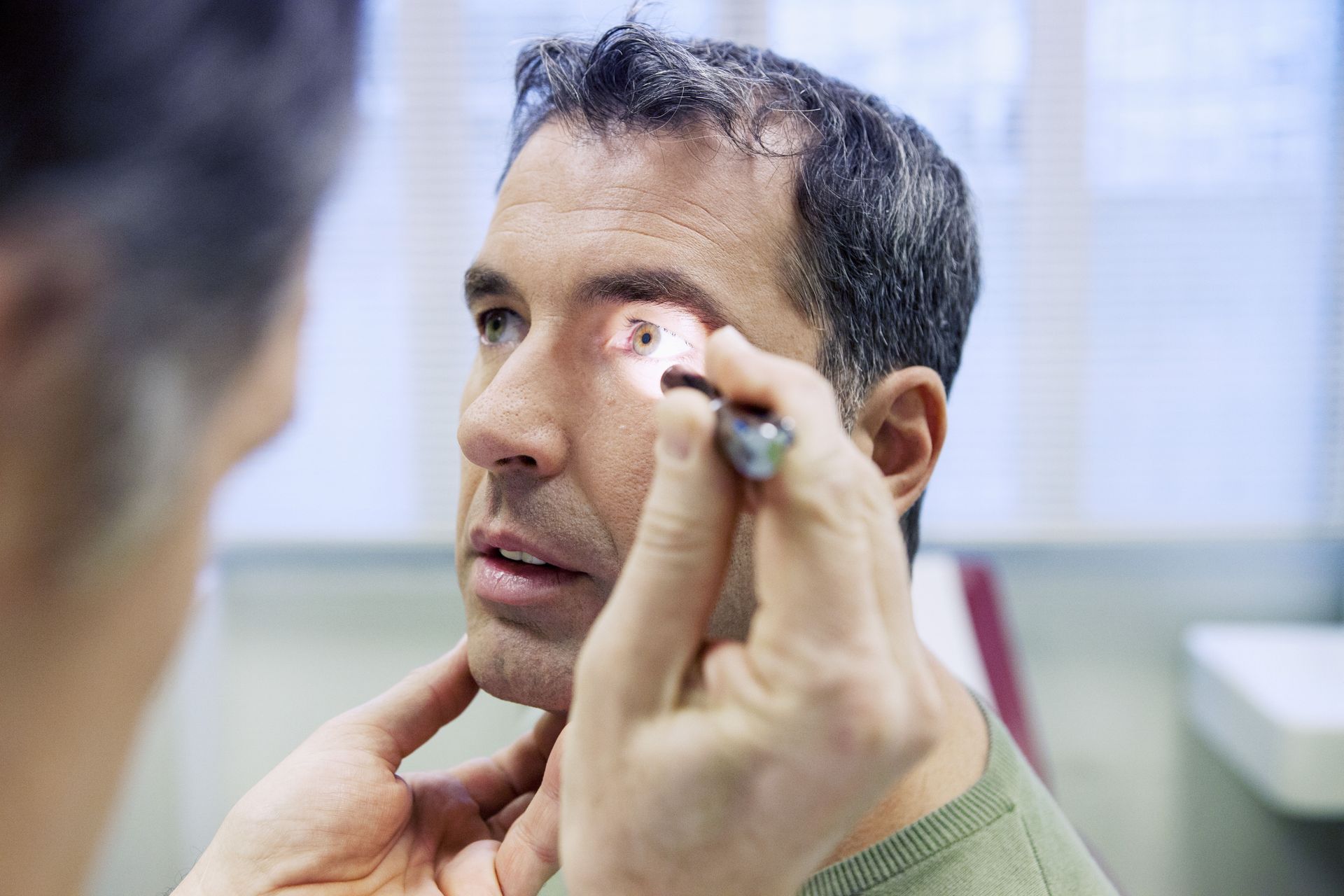
Before undertaking CDL physicals, drivers must make sure they are thoroughly acquainted with the testing requirements. Misunderstandings about these requirements, such as vision standards, can lead to unnecessary anxiety or failure. According to WebMD, passing the vision test requires 20/40 vision in each eye, either with or without corrective lenses, along with a visual field of at least 70 degrees in each eye. Drivers should also be aware that the physical includes hearing and cardiovascular tests, among others. Adequate preparation involves detailed awareness of these requirements to avoid failing due to ignorance of specific criteria.
To better understand the test requirements, drivers should reach out to their healthcare providers or contact the Department of Motor Vehicles (DMV) for the latest standards. The DMV often offers guidelines and checklists that outline what drivers should expect during the test. Additionally, seeking advice from colleagues who have recently taken the test can provide insight into changes or details that may not be widely known. It is essential to approach CDL physicals like any other exam: preparation is key to success. Making sure all health standards are met is part of proving one's overall fitness for the demanding role of commercial driving.
Drivers who skip this step often face surprises that could easily have been avoided with proper preparation. Relying on assumptions or outdated information may compromise their chances of passing. It is not uncommon for some drivers to overlook certain health criteria that might have changed since their last test. Ultimately, ignorance or lack of awareness about specific health criteria can lead to unnecessary failure in the physical examination. Therefore, understanding all aspects of CDL physicals is not only beneficial but a necessity.
Preparing a Medication List
One significant oversight is not compiling a current and comprehensive list of medications. This list is crucial, as it helps examiners determine if any prescribed drugs might interfere with the driver’s ability to operate a vehicle safely.
Moreover, discrepancies in medication may raise concerns about compliance with medical advice, possibly leading to failed evaluations. Clear communication of all medications, including over-the-counter drugs, is imperative for an accurate assessment. Preparing this list also reflects an understanding of one's health management and dedication to safe driving practices.
Such preparation should involve not just listing current medications, but also knowing their dosages and frequency. This transparency supports a thorough evaluation and assures examiners that the driver follows medical advice.
Additionally, understanding potential side effects or interactions is important for responding to any questions during the exam. A well-prepared medication list can significantly affect the examiner’s confidence in the driver’s compliance with health requirements. Hence, careful preparation in this area is not only advisable but vital.
Ignoring Sleep and Rest
Sufficient rest is crucial yet often neglected by those preparing for CDL physicals. Sleep deprivation can wreak havoc on physiological measures such as blood pressure, which is a critical component of the examination. Without adequate rest, cognitive functions can be impaired, influencing the driver's ability to perform well during the test. Therefore, securing enough rest beforehand enhances both physiological and mental readiness. Encouraging an early bedtime in the weeks leading up to the test can prevent last-minute fatigue and help a driver feel alert and ready.
Underestimating Dietary Impact
Consuming High-Sugar Foods
Many drivers overlook the impacts of diet, particularly the intake of high-sugar foods, leading up to their CDL physicals. Consumption of sugary foods and drinks can cause temporary spikes in blood sugar levels, adversely affecting test results. These fluctuations not only impact energy levels but can also lead to readings that misrepresent the driver’s standard physiological state. Moderation and careful choice of diet can swiftly improve these metrics. Proper consumption habits test a driver’s ability to maintain their health, crucial traits for any commercial duty.
Managing dietary intake before the test shouldn’t involve drastic changes but should prioritize consistency and nutritional balance. Lean proteins, vegetables, and whole grains should replace sugary and processed foods in the diet. For those struggling to adjust their eating habits, consulting with a nutritionist can provide personalized advice tailored to enhance health outcomes. Simple actions like avoiding sugary snacks and opting for healthier alternatives, such as fruits, will maintain stable blood sugar levels. Furthermore, it signals a proactive approach toward overall well-being, contributing positively to the CDL journey.
Smart dietary choices are integral not only for immediate physical test results but for lasting health benefits as well. Avoiding high-sugar foods minimizes the risks associated with diet-induced metabolic spikes or crashes. It enhances stamina and supports a more consistent delivery of energy needed for the cognitive demands of driving. Making informed decisions about dietary intake fosters both professional and personal growth. This behavioral shift significantly underpins readiness, helping prevent unwarranted surprises during critical assessments.
Ignoring Hydration Needs
Proper hydration is vital for physiological balance, yet drivers often neglect it, underestimating its impact on CDL physicals. Dehydration can cause a range of issues, such as elevated blood pressure and reduced cognitive function, impacting CDL physicals results. A well-hydrated system supports metabolic processes and toxin clearance, thereby optimizing one's bodily functions during the exam. Regular water intake should be prioritized in the days and hours leading up to the test. Such small efforts contribute significantly to better performance and assessment outcomes.
Hydration is more than merely drinking fluids; it involves maintaining electrolyte balance essential to bodily functions. Drivers should consider incorporating hydrating foods, like fruits and vegetables, into their diets to enhance fluid intake naturally. Electrolyte drinks might help sustain this balance, especially in more intensive pre-exam days. Ignoring hydration can lead to skewed physiological markers, unnecessarily complicating the assessment process. Therefore, understanding how to stay hydrated effectively is crucial in supporting one's physical readiness.
Consuming Excessive Caffeine
Excessive caffeine consumption poses risks to both heart rate and blood pressure, essential factors of CDL physicals. While caffeine may momentarily boost alertness, overconsumption can lead to jitteriness, anxiety, and adverse cardiovascular responses. On the day of the exam, limiting caffeine consumption helps physiological readings remain stable and reflective of natural states. Reducing consumption habits gradually can prevent withdrawal symptoms and health issues nearer to the exam date. Moderation becomes essential, allowing focus and status quo conditions to prevail.
Mindful caffeine management involves recognizing triggers and situations where consumption escalates unchecked. Alternatives in the form of herbal teas, decaffeinated options, or simply water can substitute habitual caffeine sources while maintaining hydration. Balancing caffeine consumption offers significant benefits, as it preserves regular heart and metabolic rates, which are imperative to passing restrictions. Awareness of caffeine's physiological impact supports preparedness, enhancing the candidate’s suitability for the equivalent demands of driving. Controlled intake reflects responsibility toward both temporary and professional health objectives.
Preparing for CDL physicals takes more than showing up for the appointment. Drivers should take time to review requirements, gather documents, make a medication list, manage existing health concerns, rest properly, and avoid last-minute habits that may affect exam results. By planning ahead, drivers can approach CDL physicals with more confidence and reduce the risk of avoidable delays. A thoughtful approach to preparation can help drivers stay focused on their health, their responsibilities, and their continued work on the road. Contact North County Chiropractic today to learn more.